Dial It Down: How Lighting Became the Real Star of Britain’s Bars
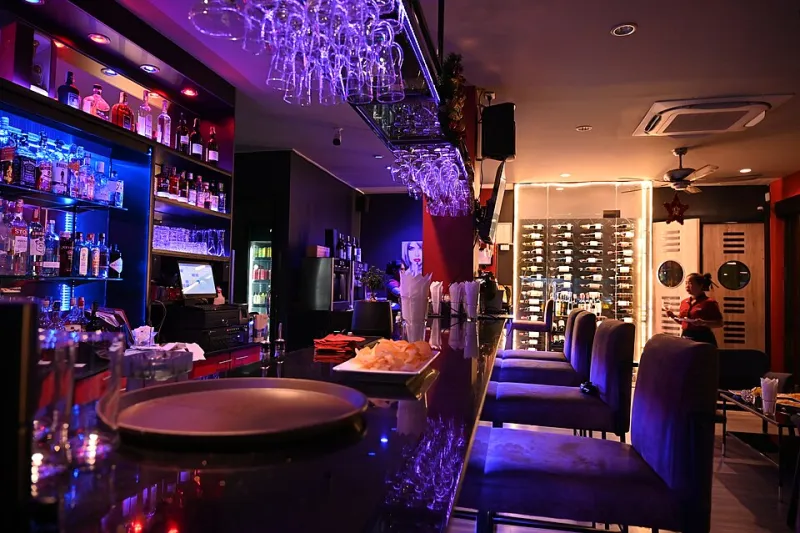
Photo: PattayaPatrol, CC BY-SA 4.0, via Wikimedia Commons
You can tell a lot about a bar before your eyes adjust. The first thing that hits you isn’t the cocktail list or the playlist — it’s the light. In 2026, Britain’s best bars are treating lighting less like decoration and more like hospitality: a tool for slowing you down, pulling you closer and making a £14 negroni feel like an event rather than an expense.
The New Science of the Dim
Lighting designers have become the quiet fixers of the bar world. They talk in kelvins and beam angles, but what they’re really selling is pace. ‘Warm, low light tells your nervous system that the night is stretching out,’ says Mara Ellison, founder of Manchester-based Low Lamp Studio, which has worked on bars in the Northern Quarter and beyond. ‘Cool, bright light says “eat and go”. Neither is wrong — but only one makes you order a second drink.’
Ellison’s rule of thumb: layer the light. A wash of warm ambient glow, pools of light on tables, and a few brighter accents near the bar so staff can work safely. The best rooms use dimmers like volume controls, nudging the light down as the evening fills up. Candles aren’t romantic cliché; they’re low-tech dimmers with a flicker that makes faces look better.
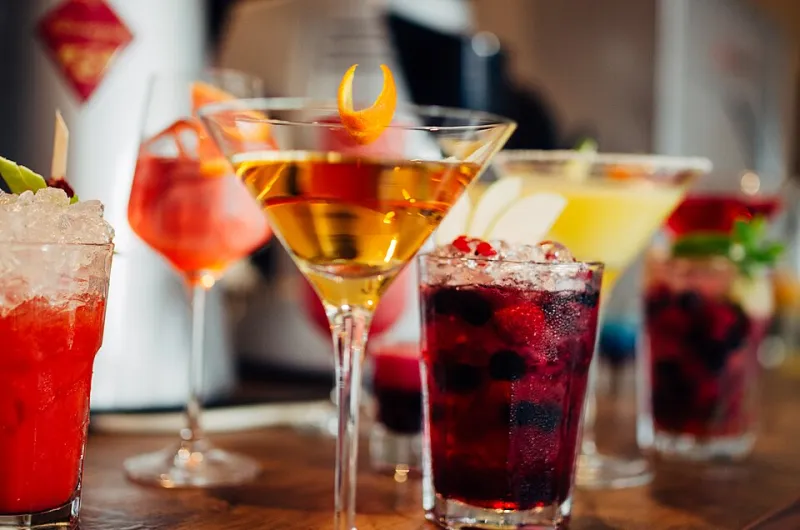
And yes, light can nudge how a drink tastes. Not literally — a daiquiri doesn’t change recipe under a bulb — but expectation does a lot of work. Amber spirits look richer in warm light; a sharp, clear highball feels crisper under a cool beam. When a bar gets the light right, the whole menu seems more considered.
London: The Art of the Half-Lit Room
In London, the best-lit bars are often the ones you can’t quite photograph. Bar Termini in Soho keeps things low and candlelit, the kind of room where you lean in to read the menu and end up talking to your neighbour. Swift, also Soho, uses dark surfaces and tight pools of light to make its upstairs bar feel like a speakeasy without the theatre. In Dalston, Three Sheets is brighter at the bar and softer at the tables — a simple trick that keeps the room lively without turning it into a canteen.
The failure mode is also London’s specialty: the spotlight that makes everyone look like a suspect in a crime drama. If you’re squinting at your companion’s face, the room is working against you.
Manchester and Glasgow: Light With a Bit of Grit
Manchester’s bars tend to wear their lighting like a good coat: practical, a bit textured, never too precious. The Liars Club leans into low, rum-bar gloom, while newer spots around Ancoats favour warm pendant lights and bare bulbs at eye level. In Glasgow, The Spiritualist balances a grand room with low tables and soft lamps, and The Gate keeps things deliberately moody — the kind of place where a candle on the table is doing more work than the cocktail list.
‘In Scotland we’ve got long dark nights and short bright summers,’ says Ellison. ‘Bars here often go warmer and softer because the contrast feels like a treat.’
Bristol: Candlelight and the Slow Sip
Bristol does the candlelit thing beautifully. The Milk Thistle is a maze of dark wood and low light, with candles doing most of the heavy lifting. Hyde & Co, a cocktail bar with a hidden-door reputation, keeps the room dim enough to feel secret but bright enough to read the menu. The city’s best bars understand that darkness isn’t the goal — intimacy is.
How to Read a Room Before You Order
You don’t need a light meter to judge a bar. Look for these cues:
- Pools of light, not floods. If every table is lit the same, the room has no rhythm.
- Faces, not glare. Good light flatters people; bad light turns foreheads into mirrors.
- A candle or lamp on the table. It gives you something to do with your hands and softens the space between you.
- Menu legibility. If you need your phone torch, the bar has confused mood with misery.
- Dimmers in use. Watch the light drop as the room fills. That’s a bar paying attention.
The Glow-Up Is Really a Hospitality Upgrade
Lighting is the cheapest way to change how a bar feels, and the hardest to get right. In 2026, the bars that stand out aren’t the ones with the most neon or the darkest corners — they’re the ones where the light makes you want to stay for one more. That’s not decoration. That’s the whole point.