Needle Drop, Volume Down: The UK Rooms Making Listening the Main Event
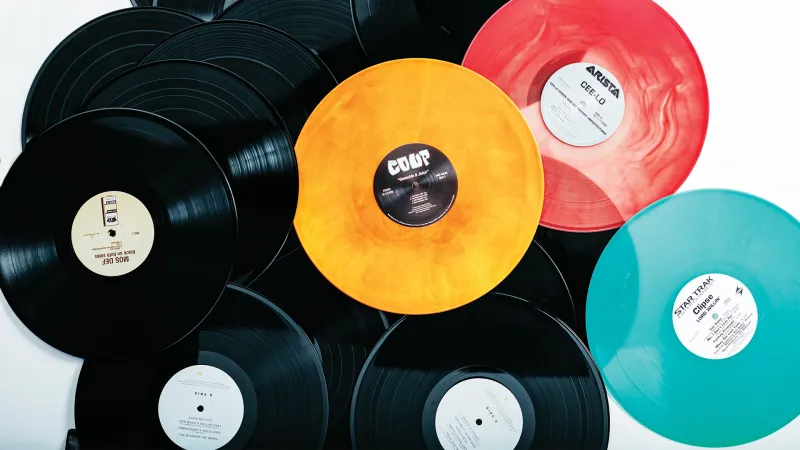
Photo: vinyl listening bar turntable hi-fi speakers warm low light, via cdn.5280.com
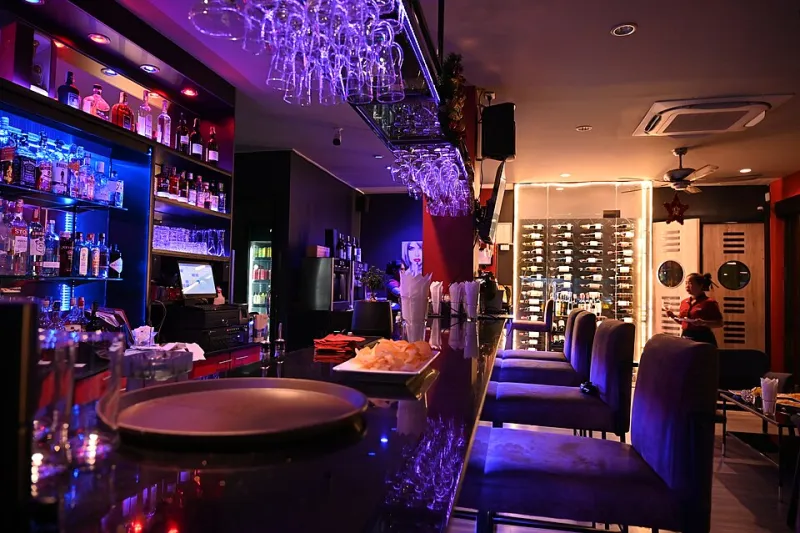
A listening bar is not a quiet bar. That is the first thing to get straight. It is a bar where the music is not background, not wallpaper, not something to shout over while you order another round. The record is the main event. You are there to hear it properly, and everyone in the room has agreed to that bargain.
The idea has roots in Japan's jazz kissa culture, where small rooms, serious hi-fi and deep record collections turned listening into a ritual. Britain has had pockets of that for years, but in 2026 the scene has shifted up a gear. New rooms are opening with audiophile systems, vinyl-only policies and a hush-please atmosphere that feels less like a cocktail bar and more like a very civilised front room with better speakers.
What makes a listening bar different
A cocktail bar with a turntable in the corner is not a listening bar. A club with a stack of records is not a listening bar either. The differences are physical and social. The sound system is designed for the room, not just loudness. The seating is arranged so you can hear the sweet spot. The playlist is curated, often by people who collect records rather than stream them.
The mood is different, too. You can talk, but you talk low. You can drink, but the drink is not the only point. You can stay for an hour or three, but you do not dance on the tables. The listening bar asks for a bit of attention, and in return it gives you something increasingly rare in a British night out: a room that sounds exceptional and does not make you feel like you need a lie-down afterwards.
Why the hush is spreading
Part of it is the backlash against the shouty bar. We have all been to places where the music is so loud that ordering a drink feels like a hostage negotiation. Listening bars offer the opposite: atmosphere without assault, sociability without a sore throat. They suit a date, a solo drink, a catch-up with a friend who actually wants to hear the answer.
Part of it is the vinyl revival, which has moved from charity-shop digging to a full-blown culture of reissues, pressings and carefully chosen rekkids. Part of it is the rise of the sound-curator: the DJ, record-shop owner or bar manager who treats a set like a menu. In 2026, the person choosing the records is as much a part of the night as the person mixing the drinks.
And part of it is simply that British drinkers are more willing to pay for a room with a point of view. A listening bar has a clear identity. You know why you are there. That clarity is appealing in a market full of identikit venues with the same playlist and the same exposed brick.
The rooms to know
London remains the centre of gravity. Spiritland, with its serious sound system and record-led programming, is the name that comes up first in most conversations. Brilliant Corners in Dalston has long been a template for the small-room, big-sound approach. Giant Steps in Hackney has built a reputation for warm, low-lit listening sessions that feel more like a friend's excellent record collection than a nightclub.
Outside the capital, the scene is patchier but growing. Manchester's hi-fi bars and Northern Quarter listening rooms are giving the city a new kind of after-dark option. Bristol's small-room sound culture, Glasgow's jazz-adjacent bars and Leeds' vinyl-led pubs are all part of the picture. Brighton has its own crop of intimate rooms where the records are chosen with care and the conversation stays at a murmur.
The point is not to tick off a list. It is to find the rooms where the sound is treated as a craft. Ask who is programming the music. Look at the speakers. Check whether the bar has a policy about phones and requests. Those clues tell you more than any glossy website.
How to do a listening bar properly
Arrive early enough to get a seat in the sweet spot. Order something simple and let the bar settle around you. Keep your voice low. Put your phone on silent, and do not play music out loud, ever. If there is a request policy, follow it. If there is not, do not assume the DJ is taking orders.
Buy a record if the bar sells them. Ask the person behind the bar what they are playing, but wait for a gap in service. Stay for a full side if you can. The listening bar rewards patience. It is not a place to rush, and it is not a place to treat as a pre-drinks stop before the real night begins. It is the real night, just at a different volume.
The sound of the night out now
Britain's listening bars are not trying to replace clubs or pubs. They are adding a different kind of room to the map: one where the music is chosen, the sound is respected and the night out is allowed to be a bit more considered. In a country that often equates a good night with volume and chaos, that is a quietly radical idea.
So next time you want a drink and a proper listen, look for the room with the turntables, the serious speakers and the low hum of conversation. Order a short drink. Take your seat. Let the needle drop. The hush is the point.