Paperbacks and Pints: How Bar Menus Became Britain's New Night-Out Souvenir
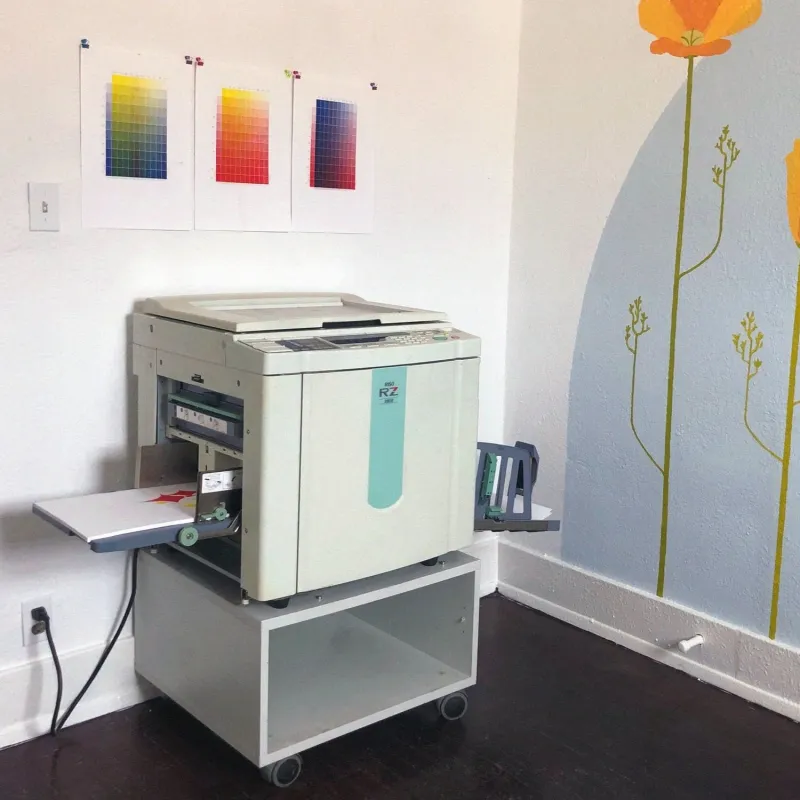
Photo: risograph cocktail menu on bar counter with illustrated drinks list and cocktail glass, via images.squarespace-cdn.com
There is a particular sound a good bar menu makes when you pick it up. Not a laminated flap, not the plasticky crack of a wipe-clean folder, but the soft flex of card stock or the dry rustle of a risograph print. In 2026, that sound has become part of the night out. Bars across the UK are commissioning illustrators, printers and designers to turn the humble drinks list into something between a zine, a poster and a souvenir. And guests are noticing — often enough to ask, politely, if they can take one home.
The menu as merch, but with better manners
This is not branded tat. The new wave of collectible menus tends to be small-run, thoughtfully made and genuinely useful. A bar in Soho might hand you a fold-out A3 illustrated by a local artist, each cocktail drawn as a character with its own caption. A Manchester basement bar could give you a risograph zine with numbered pages and a two-colour palette that makes every drink look like a limited edition. In Bristol, screen-printed menus on recycled board have become a seasonal marker: when the design changes, regulars know the list has moved on.
The appeal is partly reaction. After years of QR codes and PDFs, paper feels like a luxury again. It also gives a bar a physical voice. A menu you can hold sets the tone before the first glass lands: playful, serious, nostalgic, modern. It tells you what kind of room you are in without a word from the staff.
How a menu quietly steers your order
Design is never neutral. The illustration next to a drink draws the eye. The grouping — 'first pour', 'long and cold', 'nightcaps' — nudges you through the evening. A menu that gives a cocktail a backstory, or a hand-drawn garnish, makes it feel like a chapter rather than a line item. That can push guests towards something more adventurous than their usual order, simply because the menu has made it feel safe and interesting.
There is a practical side too. A well-designed menu can explain a house style without a lecture: why the martini is served in a smaller glass, why the highball is carbonated to order, why the low-ABV section is worth your attention. In a busy bar, a good menu does the work of a hundred small conversations. It also slows the table down. Heavy card and hand-stitched binding invite a proper read, not a frantic scan. That pause is good for conversation, and good for the room.
The UK rooms making paper feel premium
You do not need a famous name to spot the trend. Look for the bars that treat their menu as part of the fit-out rather than an afterthought. In London, that might mean a letterpress card with a single accent colour and a line drawing of the bar itself. In Glasgow, a menu styled like a small newspaper, with a masthead and a 'stop press' section for specials. In Leeds or Brighton, a hand-bound booklet that changes with the seasons and gets a fresh cover illustration each time.
The common thread is care. These menus are not designed to be stuffed in a drawer. They are designed to be looked at, talked about and — sometimes — kept. Some bars sell them as prints. Others print a few spares specifically because they know guests will ask. A few have turned the menu into a small piece of merch without ever calling it that: a folded poster, a postcard set, a mini zine that doubles as a drinks guide.
The atmosphere test
A collectible menu changes the mood in subtle ways. It gives strangers something to comment on. It makes a solo drink feel less transactional. It adds a layer of texture to a room that might otherwise be all low light and hard surfaces. And because it is tactile, it invites a different kind of attention: you handle it, you turn it over, you notice the printer's mark or the illustrator's signature in the corner.
That is also why the best examples do not feel like a marketing exercise. The design has to match the bar's actual personality. A risograph menu in a polished hotel bar can feel like a costume. A plain typed list in a scruffy basement can feel like a missed opportunity. When it works, the menu is not a gimmick — it is part of the hospitality.
The etiquette of asking for a spare
Here is the unwritten rulebook. First, ask a member of staff rather than helping yourself from a stack. Second, never take the last one from a table that is still using it. Third, if the menu is laminated, numbered or clearly part of a set, assume it stays in the building unless you are told otherwise. Fourth, if there is a price for a print or a spare, pay it happily — small-run printing is not free. Fifth, do not peel a menu off the wall or unpick one from a display. That is not collecting; that is redecorating someone else's bar.
A good opening line is simple: 'This is beautiful — do you have a spare I could take?' Most bars will say yes if they can. Some will say no, and that is fine. The fact you asked is part of the charm.
What to do with the paper trail
If you do end up with a small collection, treat it like any other paper keepsake. Keep it flat, away from condensation and direct sunlight. A drawer or a scrapbook works better than a coat pocket. Frame the ones you love. Use the rest as coasters only if you are at peace with water rings.
In a year when so much of the night out lives on a screen, a menu you can hold is a small, satisfying object. It records a room, a season and a set of choices. Next time you are handed one, give it a proper read. And if it is good enough to keep, ask nicely.