Sunday, Sorted: The Quiet Revival of Britain’s End-of-Weekend Night Out
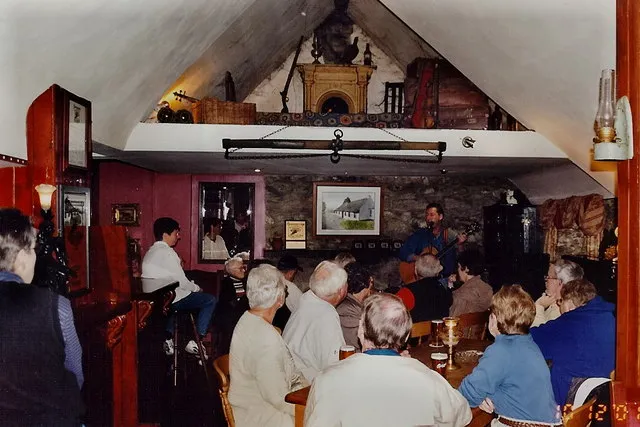
Photo: Joseph Mischyshyn, CC BY-SA 2.0, via Wikimedia Commons
Sunday used to be the night Britain left to the sofa. You had a roast, you had a sulk about Monday, and by 8pm the pubs were half-empty and the streets were suspiciously quiet. In 2026, that is changing. Not with a bang, but with a low BPM and a very good negroni.
The Sunday Session Is Back — Gently
The revival is not about turning Sunday into Saturday. It is the opposite. The best Sunday nights are softer, cheaper and more conversational than a Friday blowout. They start earlier, end earlier and leave you feeling like you have had a proper night out rather than just survived one. For socially curious drinkers, that is exactly the appeal.
Part of it is practical. Monday mornings are still Monday mornings, and nobody wants to arrive at work with a head full of regret and a mouth like a carpet. Part of it is cultural. After years of crowded, ticketed, maximalist nights out, there is a growing appetite for rooms where you can hear each other speak. Sunday is the natural home for that mood.
How Venues Are Designing for a Softer Night
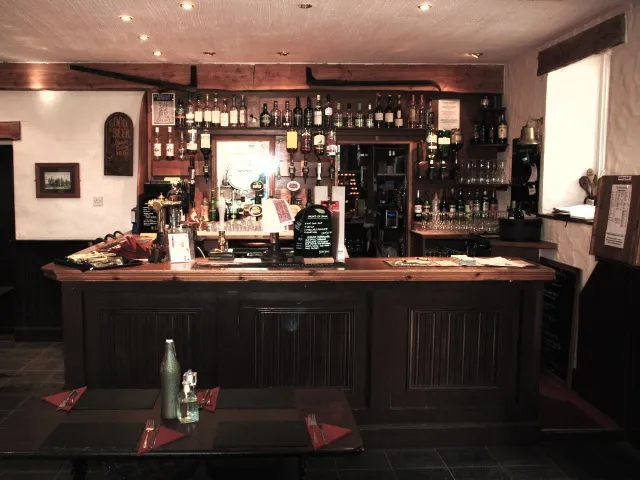
You can spot a good Sunday venue by its rhythm. The lighting is low but not gloomy. The music is a warm-up, not a headline. The DJ might be playing soul, dub, soft disco or something slow and Brazilian, and nobody is trying to make you dance on a table. The menu often runs from roast to nightcap: a proper plate of beef or a mushroom wellington at 4pm, then something short and cold at 8pm.
The best versions feel like a neighbourhood living room with a licence. There is no cover charge, no queue and no pressure to order a second bottle of wine just to keep your table. You can have one drink, read the paper, meet a friend or stay for three hours. That flexibility is the point.
Where to Find It
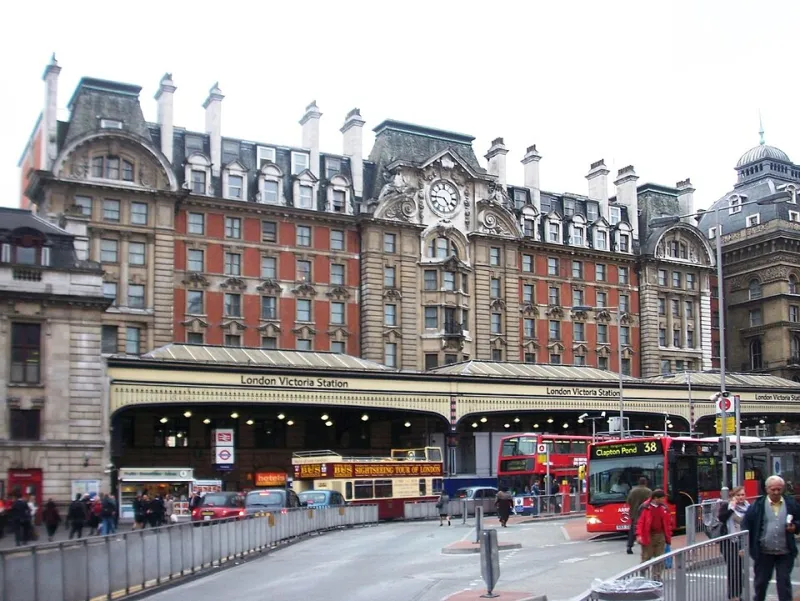
In London, the Sunday session is thriving in the spaces between Soho and Hackney. Pubs around Camberwell and Peckham keep the roast going late, while basement cocktail bars in Soho and Bethnal Green lean into low lighting and short menus. The mood is less ‘big night’ and more ‘one more, then home’. In Manchester, the Northern Quarter and Ancoats have a growing cluster of bars that treat Sunday as a proper session rather than a leftover shift. Bristol does it well around Stokes Croft and the Harbourside, where pubs and small bars ease from afternoon pints into evening cocktails without a hard reset. Glasgow’s Finnieston has the same energy: warm rooms, good music, no nonsense. Leeds and Brighton are in on it too, with neighbourhood pubs and cocktail bars offering Sunday menus that stretch from lunch to last orders.
The trick is to look for the places that are not trying too hard. A Sunday session should feel like a bonus, not a production.
The Case Against Brunch-for-Everything
My only reservation is the way some venues try to turn Sunday into a full-day festival. You do not need a live band, a guest chef and a DJ at 2pm. The charm of the Sunday session is that it is unforced. A good roast, a decent pint, a quiet corner and a bartender who knows when to leave you alone — that is the formula. The minute it becomes a ticketed event with a ‘Sunday vibe’ hashtag, the spell breaks.
Why It Works in 2026
Sunday sessions are attracting people who want a night out without the hangover tax. They suit friends who no longer need to prove anything, couples who want a date that does not end at 1am, and solo drinkers who fancy a bit of atmosphere without a crowd. They also suit bars: Sunday is a chance to use the room differently, to build a local following and to make a little money on a night that used to be dead.
So, if you have written off Sunday, give it another go. Start with a late roast, move on to a short drink, and see where the evening takes you. Britain’s quietest night out is having a moment — and for once, it is all the better for being a bit subdued.