Full Well, No Fanfare: The Bar Backs Setting the Pace of Britain’s Best Nights
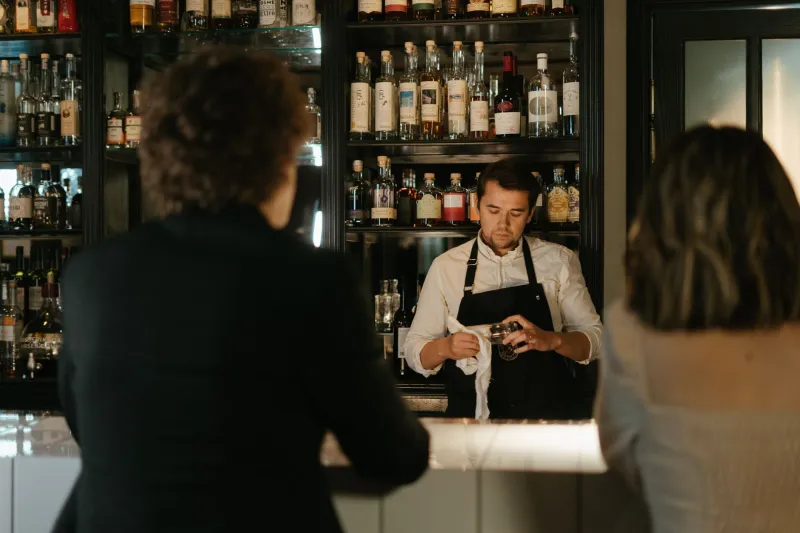
It’s twenty past eleven on a Saturday and the bar is three deep. The bartender gets the eye contact, the nod, the nod back. Behind them, someone is threading a crate of stemmed glasses through a gap that shouldn’t fit a person, and somehow your round lands in front of you without a pause. That someone is the reason the night has rhythm. You almost certainly didn’t see them.
The job that never made the poster
Bar backing has spent decades as hospitality’s starter rung: ice, glassware, restock, kegs, bussing, juice, garnish prep and the endless business of keeping the well — the working row of spirits in front of the bartender — topped up. It is physical, repetitive and, for years, paid like a favour. In most British cities it was the role you did for a few months before you either got behind the bar properly or left the trade altogether.
In 2026 that’s quietly shifting. Walk into a serious cocktail bar in Leeds, Manchester, Bristol or south London and the bar back is now as likely to be on a training plan as on their way out of the door. Managers talk about them the way they used to talk about head bartenders: with a mix of reliance and mild panic about losing them.
Why the role finally has a job description
Some of it is staffing arithmetic. After a long stretch of churn, venues got better at writing down what the job actually involves — par levels, glass counts, prep lists, cellar checks — and better at paying for it. Adverts for bar-back roles now routinely quote hourly rates that would have looked like a supervisor’s money a few years back, with tronc and a stated progression path attached.
“Two years ago I’d have three bar backs through the door in a year and none of them trained properly,” says Nadia Okafor, who manages a ninety-cover cocktail bar in Leeds. “Now I’ve got two who’ve been here since we opened, and applicants who actually want the job rather than the bar job. The difference is we finally wrote the role down, gave it a ladder and stopped pretending it was unskilled.”
There’s a status shift, too. Team pages list bar backs by name. In-house awards have started handing out gongs for prep and back-of-bar work. Trade training days now run sessions on the things that used to be learned by being shouted at — cellar management, glass care, stock rotation, how to move through a busy bar without causing an incident.
Anticipation, not instruction
Ask managers what separates a good bar back from a great one and the answer is almost always the same: they don’t wait to be asked.
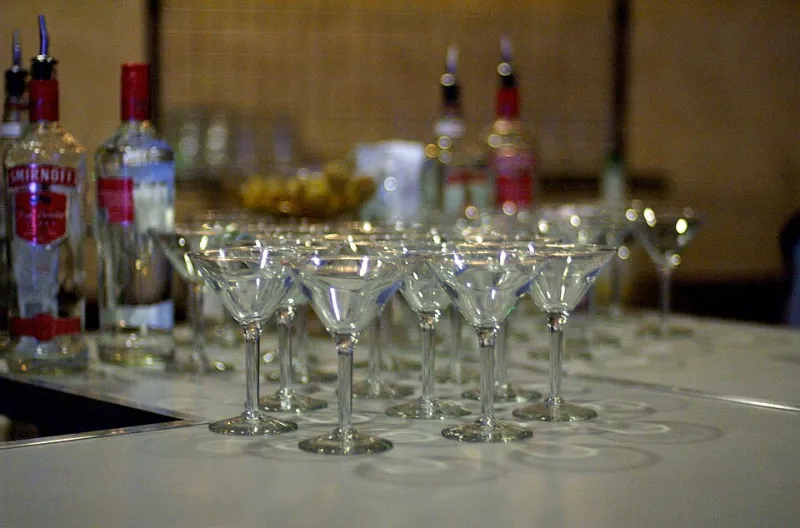
“You can teach anyone to carry glass,” says Ewan Reid, who spent three years as a bar back in Glasgow before moving into a supervisor role. “What you can’t teach is the read. The group of six who’ve just sat down and are about to order four espresso martinis. The couple finishing their drinks who’ll want the bill in ten minutes. The shaker going three times in a row, which means the bartender’s about to need clean coupes and a lot of ice.”
The best work on a beat ahead rather than a beat behind. They know the espresso martini surge lands about forty minutes after the kitchen shuts. They know the second rush arrives when the nearby gig ends. They pull glassware before the order rather than after it, and they learn the bartender’s reach — the point where a hand goes back and a bottle should already be there. When it works, nobody notices anything except that the night feels unhurried.
The pace of the room is set at the back
A bar can survive a slow bartender. It struggles with a slow bar back.
Run out of clean highballs on a Friday and everything downstream gets worse: the bartender starts improvising, the queue starts shifting its weight, the music feels louder, the room feels tighter. Regulars can’t always name it, but they can feel it. The good nights — the ones where the drinks keep arriving and the atmosphere stays level — are often the ones where the back of house is doing the equivalent of a pit stop every ten minutes, quietly and without applause.
There’s a sound to it as well. A rushed bar back clatters. A good one works softly: glasses stacked without a crash, the bin emptied before it’s full, the ice topped up before anyone has to ask. It’s the least glamorous craft in the building and it’s the one that decides whether a room feels calm or chaotic.
From the pit to the pass
The recognition is starting to show up in careers, not just compliments. Venues are promoting from the back of the bar rather than hiring over the top of it, and bar backs are moving into supervisor and assistant manager roles with a working knowledge that a CV can’t fake. Some groups now run dedicated prep-and-service training and put staff through cellar qualifications, on the reasonable logic that the person who already knows where everything lives is the person best placed to run the shift.
Which, for anyone who has spent a night waiting at a bar with no clean glasses, is overdue.
Next time you’re out — pint in hand, waiting for a round, watching the bartender do their thing — look just past them. There’s someone moving fast, carrying more than they should, keeping the whole thing on the rails. That’s the invisible part of a good night out, and in 2026 it’s finally getting a name.