Vessel Vision: The Glassware Quietly Stealing the Show in Britain’s Bars
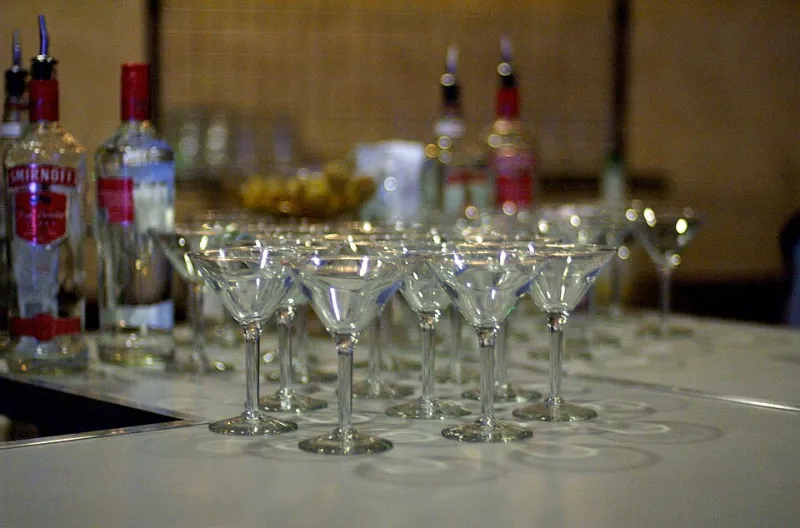
Photo: Jeff Kubina from Columbia, Maryland, CC BY-SA 2.0, via Wikimedia Commons
You order a drink, and before the first sip there is the glass: the weight of it in your hand, the chill against your palm, the way the light catches a coloured stem. In Britain’s bars, that moment is no longer incidental. Glassware has become a quiet obsession — a way for venues to signal care, character and a certain sense of theatre without shouting about it.
Walk into a thoughtful cocktail bar in London, Manchester or Glasgow this year and you may notice the vessels before the menu. A vintage coupe that looks like it has a past. A hand-thrown ceramic highball in a muted glaze. A nick & nora so thin it feels almost reckless. These are not random choices. They are part of the edit.
The Glass Is the First Taste
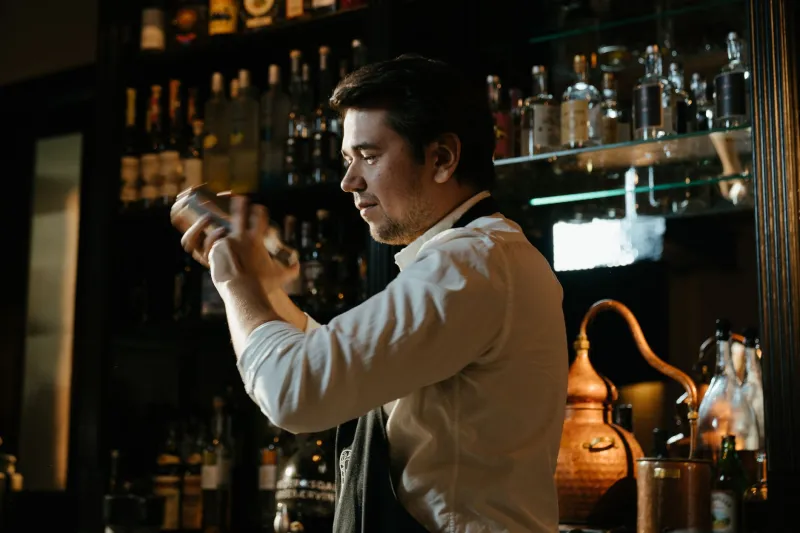
Bartenders will tell you that the vessel does more than hold liquid. It directs the nose, controls the temperature and sets the pace of the drink. A wide coupe opens up aromatics; a narrow nick & nora keeps a martini cold and close; a highball gives carbonation room to move. Even the thickness of the rim changes how a drink lands on the lips.
That is why the best bars choose the glass before the garnish. The vessel tells you what kind of experience to expect: something delicate, something long and refreshing, something to be sipped slowly while the room fills up. It is the difference between a drink that is merely made and a drink that has been considered.
Aroma, Temperature and the Theatre of Chill
Temperature is the invisible ingredient. A thin-walled coupe warms quickly in a busy room, so it needs to start colder. A heavy rocks glass holds the chill but can dull the aroma. A stem keeps your hand away from the bowl; a tumbler invites you to cradle it. These are small physics, but they shape the night.
Then there is the sound. The clink of a well-made glass is part of the atmosphere — a small, bright note underneath the chatter. Custom ceramics change that sound entirely, softening the experience. Some bars lean into the ritual: the glass kept in the freezer, the ice block carved to fit, the careful pour at the table. The vessel is part of the performance.
The Signature Vessel
In 2026, more UK bars are commissioning their own glassware. Etched logos are nothing new, but coloured stems, textured bases and handmade ceramics are becoming a way to stand out. A bar in Manchester might work with a local potter on a run of ceramic highballs; a Bristol spot might use vintage Babycham glasses for a retro spritz. In London, the martini trolley at The Connaught Bar remains a masterclass in glass-as-ceremony, while places like Coupette in Bethnal Green have long understood the coupe’s quiet glamour.
The point is not luxury for its own sake. It is identity. A signature glass tells you that someone has thought about how the drink should feel, not just how it should taste. It also gives the bar a visual shorthand — something recognisable in a photo, yes, but also in memory.
The Instagram Effect — and Its Limits
Social media has certainly accelerated the trend. A distinctive vessel is instantly shareable, and bars know it. But the best venues are balancing the visual moment with practical reality: dishwasher-safe finishes, stackable shapes, replacement costs, and glasses that feel good in the hand rather than merely photogenic on the table.
A glass that looks beautiful but chips after three services is not a signature; it is a liability. The smarter bars are investing in vessels that can survive a busy Saturday night and still look considered on a Tuesday. That is where custom ceramics and sturdy vintage-style glassware come into their own.
Where to Notice It on Your Next Night Out
You do not need a special occasion to pay attention. Next time you are at the bar, watch what the bartender reaches for. Ask about the glass if the mood is right. Notice whether your drink stays cold, whether the aroma reaches you before the first sip, whether the vessel feels like part of the plan.
In London, look beyond the obvious cocktail temples and into neighbourhood bars where the glassware is a quietly deliberate choice. In Manchester and Leeds, the growing interest in local makers is worth seeking out. Glasgow and Edinburgh have long understood the value of a proper glass with a proper dram. And in Bristol, the line between craft beer, natural wine and cocktails often comes with a similarly thoughtful approach to what you drink from.
The Bottom Line
Glassware is a small detail that changes the whole night. It shapes how a drink smells, how it tastes, how it feels in your hand and how long you linger. In 2026, Britain’s bars are making a show of it — not loudly, but with the kind of care that rewards anyone who notices. The next time a coupe lands on the counter, give it a second look. It is not just what you drink from. It is part of why the night works.