One and Done: The Quiet Rise of the Short-Stop Bar Night
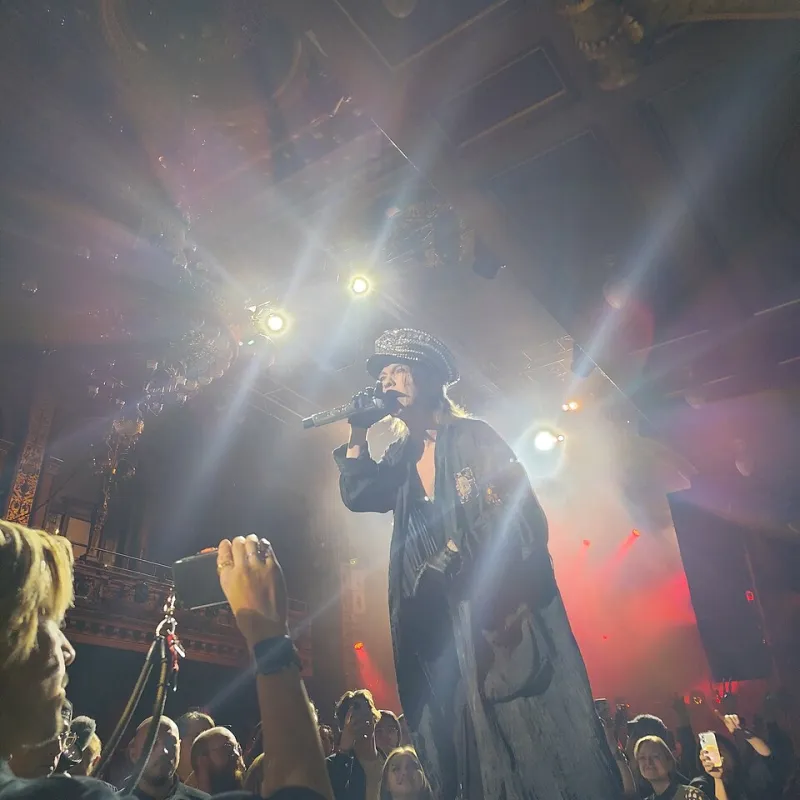
Photo: Pamuraidono, CC BY 4.0, via Wikimedia Commons
Look at the good bars opening in British cities right now and you'll notice a pattern. Fewer stools. More ledges. A rail for coats, a shelf for glasses, and a chalkboard offering four drinks rather than forty. The architecture is telling you something: this room is designed for one, maybe two, and then out.
Call it the short stop — the deliberately brief bar visit, engineered from the ground up.
The design of a twenty-minute pint
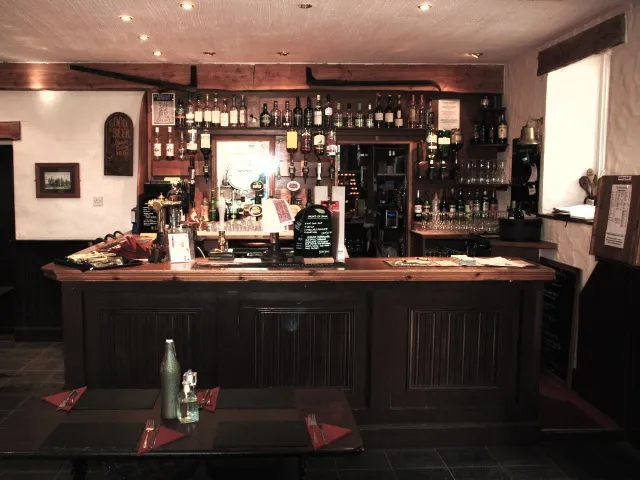
You can spot the format before you've ordered. Standing ledges instead of tables. High counters facing a window. Half-pint glasses lined up ready. A card reader propped where a menu would once have been, and a drinks list short enough to read in the time it takes to take your coat off.
The operational side is just as deliberate. Pre-batched cocktails poured rather than shaken. A tight food offer of crisps, olives and one very good bar snack. Bookable slots of thirty to forty-five minutes rather than vague promises of "a table for the evening". Express menus that run between five and seven so the pre-theatre crowd is in and out before the curtain.
None of it is new, exactly. The standing bar, the station buffet and the theatreland pre-show pint are all older than anyone reading this. What's changed is that the short stop has moved from compromise to design brief — and it's appearing in the kind of bars that would once have sneered at it.
Why bars are doing the maths
Rent reviews, energy contracts, wage bills and insurance have all done what they've done. A room that seats forty and turns it twice in a night is worth more than one that seats forty and fills it once with people nursing a single drink for three hours.
The booking side tells a similar story. A deposit-backed forty-five-minute slot almost always shows up. A vague table for six at eight o'clock, held on trust, too often doesn't. Bars have learned to price and structure around the difference — and a shorter slot means more people get a turn.
Then there's the way we actually go out now. Tickets for gigs and theatre are bought weeks in advance, trains are checked before the second round, and the working week has sprawled into Thursday and Sunday alike. The short stop fits a night that already has a plan in it: one before the show, one before the last train, one before dinner at the place you actually booked.
And frankly, some of it is about money in the customer's pocket too. A well-made drink and twenty-five minutes of good atmosphere is an affordable night out in 2026. Three hours of them isn't.
But what gets lost?
Here's the awkward bit. The pub as a living room — the place you go to sit with one pint and no plan — is one of the genuinely great British inventions. The short stop doesn't replace that; it just doesn't make room for it.
A bar built for a forty-minute turn is a bar that will eventually ask whether you're ready for the bill. You feel it in the timing of the glass clearing, in the lack of a hook for your bag, in the absence of anywhere soft to land. It's efficient, it's pleasant, and it can be slightly sad.
There's a fairness question buried in there too. Every table held for a ninety-minute minimum is a table unavailable to someone who wants to spend three hours over two drinks — and that person is often the one who most needs a warm room and a bit of company. Speed as a business model has a habit of selecting for a certain kind of customer.
So: a smart response to squeezed margins and busy schedules, or a slow erosion of the leisurely night? Both, probably. The honest answer is that the short stop is only a problem when it's the only option on offer.
Where the format works
The pre-theatre strips of central London are the obvious case study, where a tight menu and a timed slot are less a gimmick than a service. Manchester's Northern Quarter and the streets around Oxford Road do it well for the pre-gig crowd, and the bars near big venues in Leeds and Glasgow have turned the quick round before doors into an art form.
Edinburgh is the extreme version: a month every August when every bar in the centre is, functionally, a short-stop venue, and the ones that survive the festival are the ones that learned to be brisk without being rude.
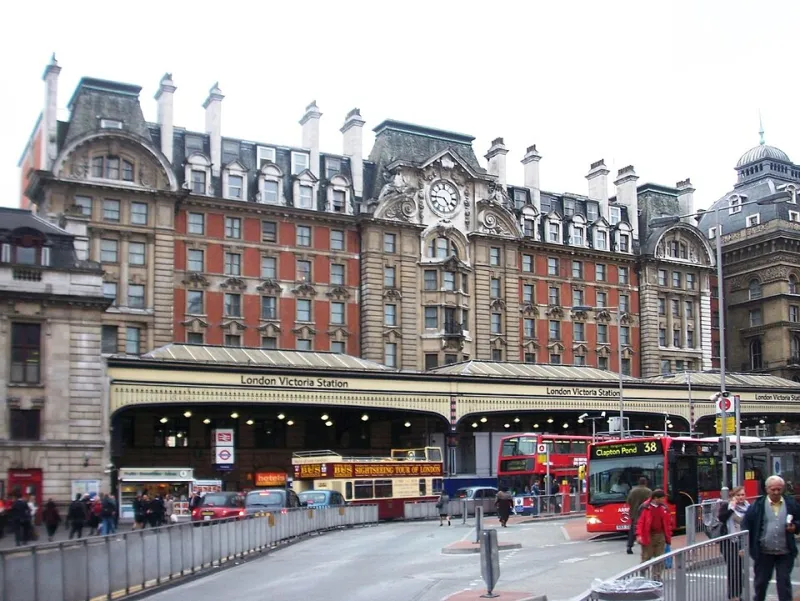
Station bars deserve a mention too. Where the last train is the hard deadline for the entire night, a well-run quick stop isn't a compromise — it's the entire point.
The best of them share three habits: they tell you the time limit when you book, they keep the short menu genuinely interesting, and they leave the door open. Order a second and nobody minds. Order one and nobody sighs.
How to do a short stop properly
- Check the slot length when you book. Forty-five minutes and ninety minutes are different nights out. Plan accordingly rather than discovering it at the door.
- Sit at the counter or the ledge. If you're only having one, the view is the value. A table for two with a wall to stare at is wasted on twenty minutes.
- Ask what's pre-batched. A good express menu is built around drinks that can be poured quickly and taste properly made. A bad one is a shortcut.
- Go short, not cheap. Two excellent drinks in half an hour beats four mediocre ones and a rush.
- Know your train. The short stop is at its most enjoyable when the clock isn't a surprise.
- Don't be the table that overstays. The whole system works on goodwill, and the next booking is someone else's night.
Whether the short stop ends up as a useful addition to the British night out or its default setting is still being decided — and it'll be decided bar by bar, by whether the room still feels like it wants you there. The best ones make twenty minutes feel unhurried. That's the trick, and it's harder than it looks.