Wet Noses, Warm Welcomes: Why Britain’s Bar Dogs Are the Hosts With the Most

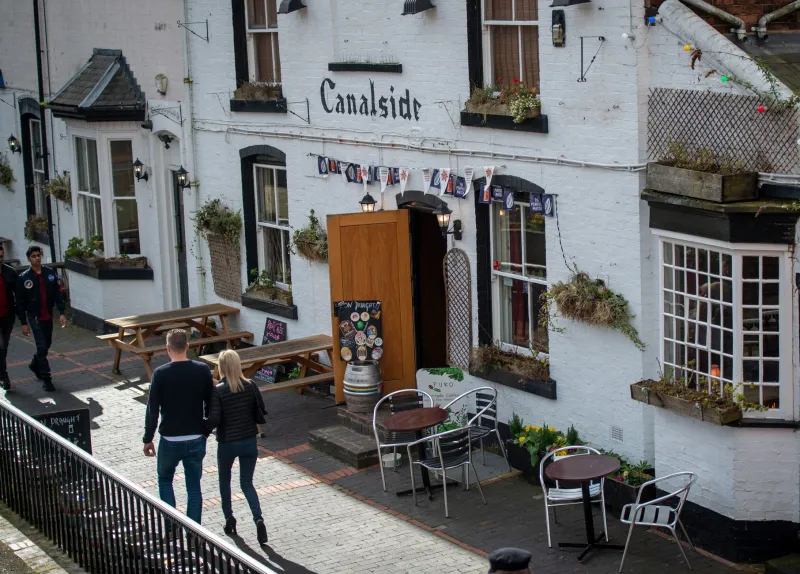
Photo: Eric Jones , CC BY-SA 2.0, via Wikimedia Commons
Walk into the right British boozer on a damp November evening and you may be greeted by a thump of tail against a stool leg before you’ve even clocked the hand pumps. The bar dog has long been part of pub mythology, but in 2026 it is something more deliberate: a host, a mood-setter and, in the best cases, a reason to choose one venue over the three others on the same high street.
This is not about slapping a water bowl by the door and calling yourself dog-friendly. The bars getting it right have worked out that a resident dog changes the temperature of a room. It gives strangers something to talk about, gives regulars a name to ask after, and gives a night out a bit of heart. It also demands a bit of thought — for the venue, the owner and anyone who’d rather not find a wet nose in their pint.
The Tail That Wagged the Local
A bar dog is a very specific kind of mascot. It is not a logo, not a gimmick and definitely not a prop. The ones that work are the ones with a proper job: greeting the early crowd, patrolling the snug, supervising the Sunday roast or occupying the one patch of carpet that everyone secretly wants to sit near.
That role is why dog-friendly policies can quietly build a local landmark. A pub with a resident spaniel becomes the pub with the spaniel. A cocktail bar with a sleepy whippet behind the counter becomes the place you take friends who claim they’re not bothered about dogs. The appeal is not complicated. People like being welcomed by something that has no opinion on your job, your trainers or whether you’ve ordered the second-cheapest thing on the list.
There is a commercial upside, too. Dog owners are loyal in a way that vouchers rarely buy. They remember the venues that make their walk home feel like part of the night out, and they bring friends who don’t own dogs but enjoy the theatre of it all. In a crowded market, that is worth more than another identikit neon sign.
More Than a Mascot
The best bar dogs are not just tolerated. They are managed. That means a clear policy, a sensible space and a landlord who knows when the dog has had enough. A four-legged host can handle a busy Friday, but it should not be expected to work the room like a junior staff member with a tray of olives.
The venues that get this right tend to have a few things in common: a water bowl that is actually washed, a quiet corner where the dog can retreat, and house rules that are friendly but firm. Some put the dog’s name on the chalkboard. Some have a jar of treats behind the bar and a sign asking you to check before sharing. The good ones understand that a dog-friendly bar is not a dog park with beer taps. It is a shared room, and everyone in it has to be considered.
That includes drinkers who are allergic, nervous or simply not in the mood for a surprise sniff. A resident dog should add to the atmosphere, not police it. The cleverest operators make the dog part of the welcome without making it the whole personality of the place.
The Etiquette of the Four-Legged Host
For punters, the rules are simple enough. Ask before you pet. Never feed a bar dog without checking with staff. Keep your own dog on a short lead unless the venue says otherwise, and don’t let it settle under a stranger’s table. If the dog is asleep, let it sleep — a working dog’s nap is not an invitation to a cuddle.
For owners, the bar dog is a responsibility, not a badge of honour. A dog that barks at every round, steals chips or treats the beer garden like a racetrack will close doors for everyone else. The best pub dogs are calm, sociable and a little bit bored by the whole thing. That is the energy you want.
And for venues, the golden rule is consistency. If the dog is part of the offer, make that clear: on the website, on the door, on the menu if it helps. If the dog is having a day off, say so. The regulars will forgive a lot, but they will not forgive turning up for the spaniel and finding only a water bowl.
The 2026 Bar-Dog Hit List, by Character
You don’t need a breed guide to plan a night out around a good bar dog. You need to know the character you’re after. In 2026, these are the four types worth seeking out.
The Fire-Duty Spaniel. Found in older pubs with real fires and carpet that has seen things. This dog has a fixed position, usually within a metre of the hearth, and will acknowledge your arrival with a single eyebrow movement. Best visited on a cold Sunday afternoon with a pint of something dark.
The Room-Working Terrier. A smaller dog with a bigger sense of duty. This one moves between tables like a maître d’ who has been told the tips are pooled. Expect a confident stare at the exact moment your crisps arrive. Do not be fooled by the ears.
The Bar-Back Whippet. All elbows and elegance, usually found in a city cocktail bar that has made a virtue of minimalism. This dog sleeps through the shaker noise and wakes only for the final round. It is the calmest creature in the building and knows it.
The Sunday Landlord’s Labrador. A big, soft, deeply unserious dog that has learned the rhythm of the weekend. It will greet everyone, accept every ear scratch and then collapse under the table before the roast arrives. If you want a bar dog that makes a pub feel like a living room, this is your animal.
When the Dog Is the Destination
There is a limit to how far this should go. A bar dog should never be the only reason a venue is busy, and a dog-friendly policy should never be an excuse for cramped tables and careless service. The point is not to turn every boozer into a canine crèche. The point is that a bit of warmth goes a long way.
In 2026, the best nights out are the ones that feel human — and occasionally a bit furry. A bar dog can be the difference between a decent pint and a place you tell people about. It can turn a local into a landmark and a quiet Tuesday into something worth putting your coat back on for. Just ask first, keep your chips to yourself, and let the host do the rest.